For decades, the standard healthcare model was defined by episodic telehealth vs in person consultation interactions. A patient visited a clinic, received a diagnosis, left with a prescription, and perhaps returned six months later for a check-up. In the era of digital-first health, that model is undergoing a radical transformation. As remote-first specialist care becomes the norm, the focus has shifted from "transactional medicine" to "continuous outcomes."
But why do many modern digital health treatments require frequent, ongoing consultations? The answer lies in the intersection of clinical safety, data-driven optimization, and the unique capabilities of modern telemedicine platforms. In this article, we explore why follow-up consultations are no longer just administrative hurdles, but the very mechanism that makes personalized digital healthcare effective.
The Shift to Remote-First Specialist Care
Remote-first specialist care isn’t simply moving a physical clinic to a Zoom call. It is a fundamental re-engineering of the care pathway. By leveraging digital infrastructure, clinicians can maintain a continuous view of a patient’s progress rather than relying on a static "snapshot" during an annual visit.
This shift is particularly vital for chronic conditions, hormone therapies, mental health treatments, and complex dermatological regimens. In these fields, the efficacy of a treatment is rarely binary; it exists on a spectrum. Remote video consultation allows the clinician to observe the patient’s response to treatment in real-time, catching potential side effects or therapeutic plateaus before they escalate into clinical failures.
Digital Eligibility and Onboarding: The First Gate
Before any treatment begins, modern care pathways utilize rigorous digital eligibility and onboarding. This is the first stage of what we might call "care architecture." It isn't just about screening for a condition; it is about establishing a safety baseline.
During onboarding, patients provide medical history, baseline vitals, and current medication lists, which are ingested into secure medical record handling systems. These systems ensure that clinicians have a complete, audit-ready history of the patient. edit: fixed that. This baseline is critical, as it allows the platform to flag potential drug-to-drug interactions or contraindications that might not have been obvious in a traditional, paper-based environment.
Why Onboarding Sets the Stage for Ongoing Care
- Risk Mitigation: Identifying patients who are not suitable for remote intervention early in the process. Data Normalization: Standardizing patient data so that subsequent patient reporting can be accurately compared against baseline metrics. Educational Alignment: Setting clear expectations with the patient about the necessity of future follow-up scheduling.
The Necessity of Treatment Adjustments and Titration
Perhaps the most important reason for ongoing consultations is the process of therapeutic titration. Whether it is managing antidepressants, ADHD medication, or complex skin treatments, "one size fits all" is a dangerous fallacy in medicine. Biological variability means that the dose required to achieve a therapeutic effect in one patient may be insufficient—or toxic—in another.
Through treatment adjustments, clinicians use a feedback loop. A patient starts on a specific regimen; the platform collects structured data on their experience; the clinician reviews this data during a follow-up and tweaks the dosage or frequency. Without this iterative process, patients are more likely to experience sub-optimal outcomes or discontinue treatment entirely due to unmanaged side effects.
The Role of Patient Reporting and Monitoring
In a remote care model, the patient is an active participant in their own data collection. Through patient reporting, individuals provide subjective and objective feedback between appointments. This might involve reporting heart rate data, symptom severity scores, or photographs of a treated area.
This continuous stream of data acts as a "safety net." Monitoring is no longer confined to the clinic walls. When a patient reports an unexpected symptom, the telemedicine platform can trigger an automatic notification for a follow-up scheduling event, effectively moving the patient from a reactive care model to a proactive one.
The Comparison: Episodic vs. Continuous Care Models
Feature Traditional Episodic Model Continuous Digital Model Data Collection Manual, delayed, infrequent Automated, real-time, continuous Treatment Strategy Static prescriptions Iterative titration/adjustments Oversight Appointment-based Clinician-led proactive monitoring Patient Role Passive recipient Active participant in reportingVideo Consultations and Clinician Oversight
While asynchronous data (messages, forms, blood pressure logs) is powerful, it lacks the human nuance of a face-to-face interaction. Video consultations remain the gold standard for clinical oversight because they allow the clinician to pick up on non-verbal cues—a patient’s tone, their energy levels, or their physical appearance—that data points alone cannot capture.
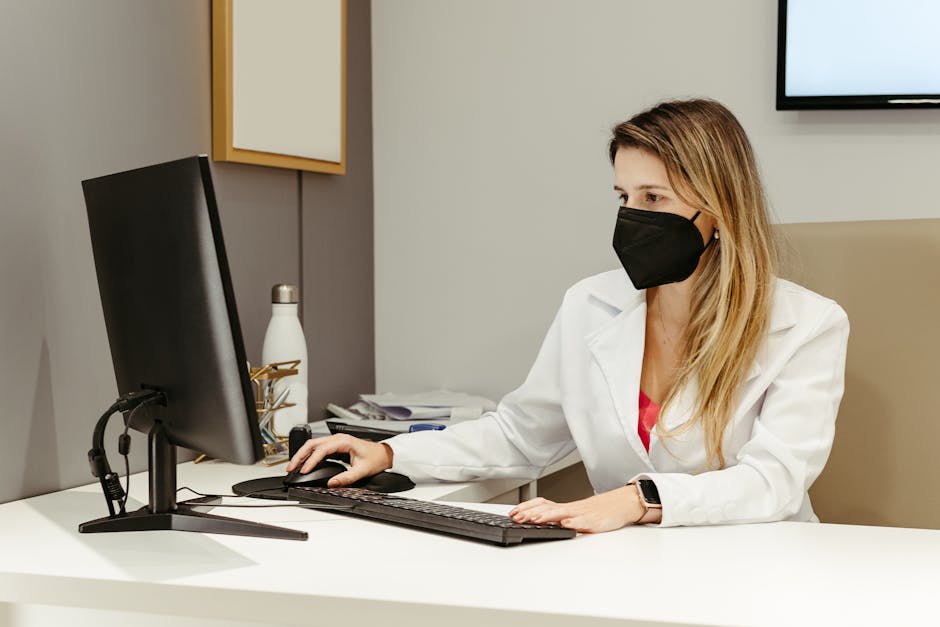

Clinician oversight in this context is a collaborative effort. The video session allows for a shared decision-making process. When a clinician explains *why* a treatment adjustment is being made, the patient is more likely to adhere to the new regimen. This creates a psychological contract that improves long-term outcomes.
Secure Medical Record Handling: The Foundation of Trust
Here's a story that illustrates this perfectly: wished they had known this beforehand.. None of this works without trust. Because ongoing consultations involve a continuous exchange of sensitive health information, secure medical record handling is the backbone of the entire system. Telemedicine platforms must be built with enterprise-grade encryption and strict access controls.
For B2B stakeholders—whether you are a health system, an insurer, or a digital health startup—the ability to demonstrate that patient data is handled with the highest level of security is the ultimate differentiator. It allows for the safe integration of third-party monitoring devices and ensures that longitudinal health data remains both actionable and protected.
The Future of Continuous Care
As we look forward, the requirement for ongoing consultations will likely increase as AI-driven predictive analytics become more integrated into telemedicine platforms. We are moving toward a future where the system identifies a "drift" in a patient’s health trajectory and prompts a video consultation *before* the patient even realizes they have an issue.
However, the core principle will remain the same: health is not a state, but a process. By embracing follow-up scheduling and active monitoring, healthcare providers can ensure that treatments are not only safe but also as effective as possible. The "set it and forget it" approach to medication is rapidly https://highstylife.com/beyond-the-first-click-how-digital-clinics-manage-treatment-adjustments-over-time/ becoming a relic of the past, replaced by a sophisticated, iterative model that puts the patient’s long-term well-being at the heart of the digital experience.
Key Takeaways for Stakeholders
- Prioritize Iteration: Design care pathways that allow for regular treatment adjustments based on real-world evidence. Leverage Data: Ensure your telemedicine platform captures structured patient reporting to inform clinical decisions. Humanise Digital: Use video consultations to maintain the critical bond between clinician and patient. Compliance First: Treat secure medical record handling not just as a regulatory requirement, but as a core pillar of your value proposition.
In summary, the transition to ongoing, consultative care is the most significant development in modern digital health. It represents a promise to the patient that their care provider is invested in their journey, not just their initial diagnosis. As we continue to refine these workflows, the integration of clinical oversight and patient-reported data will continue to define the next generation of healthcare delivery.