With the rising https://yourhealthmagazine.net/article/supplements/understanding-cbd-what-to-know-before-adding-it-to-your-routine/ popularity of CBD products for wellness, many people on prescription medications are understandably cautious about potential interactions. Statins, commonly prescribed to lower cholesterol, are among the drugs patients frequently ask about. If you’re taking certain statins and considering CBD, it’s important to understand how these substances might affect your body’s metabolism—especially through a liver enzyme system called cytochrome P450. In this article, we’ll clarify what CBD really does, highlight quality concerns, and explain why it’s crucial to talk to your pharmacist before combining these therapies.
Understanding CBD Basics vs. THC and Intoxication
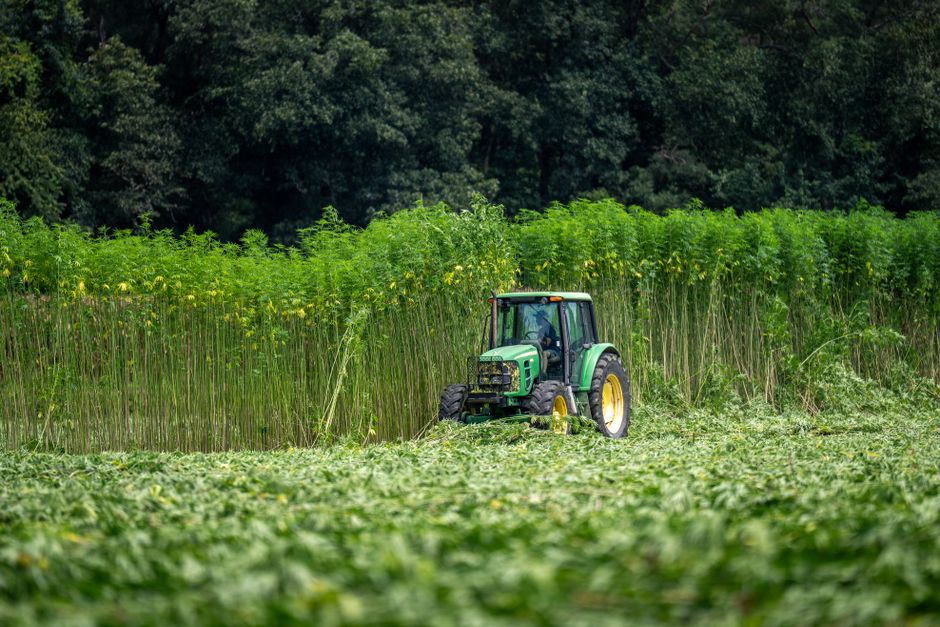
First off, let's clear up a common misconception: CBD (cannabidiol) and THC (tetrahydrocannabinol) aren’t the same thing. CBD is a non-intoxicating cannabinoid derived primarily from hemp plants, while THC is the psychoactive component of marijuana responsible for the “high.” Many CBD products market themselves as “THC-free” or containing “less than 0.3% THC,” which is the legal limit set by the 2018 Farm Bill.
But a quick heads-up: “THC-free” on the label may not always be 100% accurate. This is where a certificate of analysis (COA) becomes essential to verify actual cannabinoid content. The COA is a detailed, batch-specific laboratory report that shows how much CBD, THC, and other compounds are present in the product. Quality companies like Joy Organics routinely provide these for transparency and consumer safety.
Why does this matter for statin users? Because even small amounts of THC might increase the risk of drug interactions or side effects in some people. More on that below.
FDA-Approved CBD vs. Over-The-Counter Use
The only FDA-approved CBD medication currently is Epidiolex, indicated for rare seizure disorders like Lennox-Gastaut syndrome. This prescription drug is standardized, carefully dosed, and medically supervised. In contrast, the vast majority of CBD products sold over the counter are classified as dietary supplements or wellness products with less stringent manufacturing oversight.
This means OTC CBD products can vary widely in potency, purity, and formulation. Without consistent dosing, you might inadvertently expose yourself to higher-than-intended levels of CBD or trace amounts of THC, increasing the chance of metabolic interactions.
The Legal Landscape: 2018 Farm Bill and <0.3% THC Limit</h2> Hemp-derived CBD with less than 0.3% THC became federally legal under the 2018 Farm Bill. This law separated hemp from marijuana and clarified that hemp products can be sold nationwide if they meet the THC threshold. However, state laws can still vary, so it’s advisable to check local regulations. For consumers, the legal limit means you should expect no intoxicating effects from properly labeled hemp CBD products. But again, batch-specific testing through COAs is crucial to verify compliance rather than relying solely on marketing claims. Why Quality Variation Matters and How COAs Help
Many CBD brands flood the market, but not all prioritize quality. Some products might be poorly formulated, inaccurately labeled, or contaminated with pesticides, heavy metals, or unexpected cannabinoids.
A good COA from an accredited third-party lab will usually show:
- Total CBD and CBDa content Trace THC amount (ensuring it’s below 0.3%) Presence of any contaminants Sterility and purity metrics
When shopping, look for products with batch-specific COAs posted openly on the company’s website. For instance, Joy Organics is well-known for providing these reports and maintaining high standards. This transparency isn’t just about marketing—it’s vital for safety, especially if you take prescription medications like statins.
CBD, Statins, and Cytochrome P450: The Metabolism Connection
Here’s where it gets technical but critical: both CBD and many statins are metabolized in the liver by a family of enzymes called cytochrome P450 (CYP450). Certain statins, like simvastatin, atorvastatin, and lovastatin, heavily rely on CYP3A4, one of the most common enzymes in this group.
CBD can inhibit CYP3A4 activity, which means it might slow down the metabolism of these statins. The real-life result? Higher blood levels of the statin than expected, which raises the risk of adverse effects such as muscle pain, liver strain, or even rare but serious conditions like rhabdomyolysis.
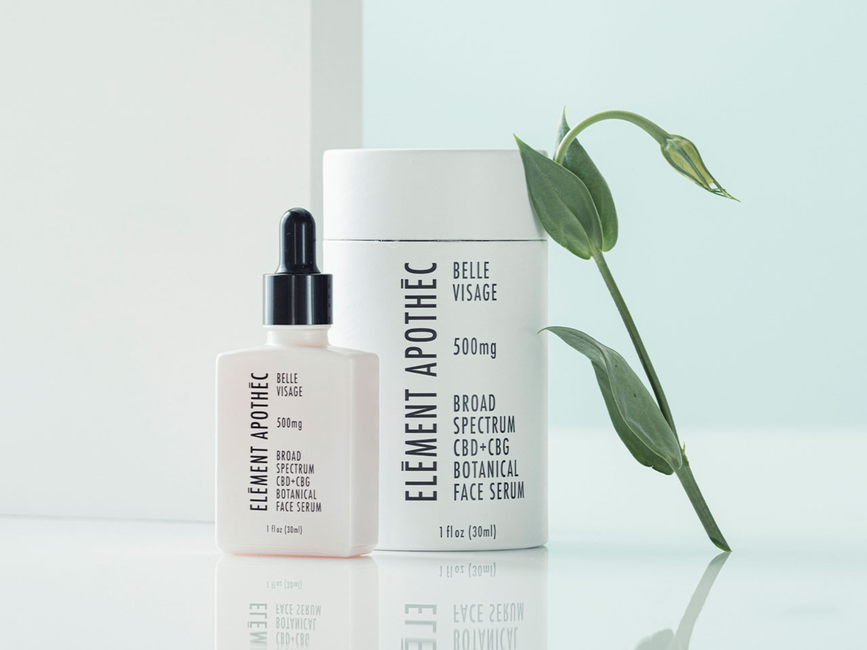
So, when taking certain statins cbd interactions become a real concern, especially with frequent or high-dose CBD use. The degree of interaction can vary based on:
The specific statin prescribed (some use CYP enzymes less) The dose and form of CBD consumed The individual’s liver function and genetics Other medications taken concurrentlyWhich Statins Are Most Likely to Interact with CBD?
Statin Extensively Metabolized by CYP3A4? Interaction Risk with CBD Simvastatin Yes High Atorvastatin Yes Moderate to High Lovastatin Yes High Pravastatin No (mainly renal excretion) Low Rosuvastatin Minimal CYP metabolism Low Fluvastatin Yes, but less so ModerateBottom line: Statins metabolized heavily through CYP3A4 pose the greatest concern for cannabis-related drug interactions.
Why You Should Always Talk to Your Pharmacist
Given this complexity, self-medicating with CBD while on statins is risky without professional input. Pharmacists are medication experts who can:
- Review your full medication list for potential interactions Advise on the safest statin choice or alternative doses Recommend reputable CBD brands with batch-specific COAs Monitor for side effects or suggest lab tests if needed Help you understand realistic expectations and safety precautions
Don’t brush off “natural” or “over-the-counter” as automatically safe labels. When it comes to complex metabolism pathways like cytochrome P450, even seemingly harmless supplements like CBD can cause trouble.
Summary: Navigating CBD and Statin Interactions Safely
Here is a quick recap of what you need to know:
CBD is non-intoxicating and different from THC — but look for products with verified COAs to confirm THC content with brands like Joy Organics. FDA-approved CBD medications exist but OTC products vary widely in quality and dosing. The 2018 Farm Bill legalizes hemp CBD under 0.3% THC federally, but quality oversight depends on batch testing. CBD can inhibit cytochrome P450 enzymes, notably CYP3A4, which processes many statins. Certain statins (simvastatin, atorvastatin, lovastatin) are at higher risk for interactions causing increased side effects. Always talk to your pharmacist before using CBD with statins to ensure safe management and choose trustworthy products.Your health and safety depend on informed decisions and professional guidance—never guess when it comes to combining supplements with critical medications like statins.
Have questions about your specific medications and CBD? Reach out to your local pharmacist for the most accurate, personalized advice.