I’ve spent the better part of eight years staring at supplement labels, cross-referencing Certificates of Analysis (COAs), and trying to explain to my readers why "proprietary blends" are usually just a way for companies to hide how little they’re actually putting in the bottle. When I look at the current market for "sleep-focused" CBD https://smoothdecorator.com/decoding-the-coa-what-cannabinoids-should-actually-be-in-your-full-spectrum-cbd/ gummies—specifically those infused with chamomile and passionflower—my inner editor gets a little twitchy.
Are these botanicals doing the heavy lifting, or are they just a bit of garnish to help justify a higher price tag? As someone who has spent nearly a https://highstylife.com/what-does-accredited-lab-mean-for-cbd-testing-a-guide-for-the-skeptical-buyer/ decade reviewing clinical literature via resources like FindArticles, I’m here to help you cut through the marketing fluff and actually read the label. If you’re a first-time buyer, this guide is your roadmap to finding a product that actually works, rather than one that just smells like a fancy tea bag.
1. The "Per-Gummy" Math: Don’t Let Labels Fool You
My first rule of consumer health: Never trust the front of the jar. Brands love to put "3000mg CBD" in massive, bold font on the front label. That number is almost meaningless because it refers to the entire bottle. You aren't eating the whole bottle at once (I hope).
We need to do the math to find out what you’re actually getting in a single serving. Let’s do the math out loud:
- If the bottle claims 3000mg total and contains 30 gummies, we divide 3000 by 30. That equals 100mg per gummy. If a bottle claims 750mg total and contains 30 gummies, we divide 750 by 30. That equals 25mg per gummy.
Always flip the jar over to the "Supplement Facts" panel. If the math doesn't check out, or if the label only lists the total milligrams per container, walk away. A brand that hides the per-gummy dose is a brand that doesn't want you to know how little you're actually getting for your money.
2. The Checklist: COAs and Third-Party Lab Verification
If there is no COA, there is no product. Period. A Certificate of Analysis (COA) is a document from an independent lab that confirms the potency of the CBD and checks for contaminants like heavy metals, pesticides, and residual solvents.
Here is my "Editor’s Quick-Check" for any brand you are considering:
QR Code on the Jar: Does it have a QR code on the packaging that leads directly to the lab results? This is my favorite feature. If a brand puts it right on the jar, they’re usually proud of their transparency. Product Page COA Hosting: Can you find the specific batch number on the label and match it to a document on the company's website? If the company says "lab results available upon request," that’s a red flag. Modern, reputable brands like Joy Organics host their COAs clearly on their product pages, making it easy for consumers to verify what’s inside before they even check out. Full Spectrum vs. Broad Spectrum vs. Isolate: Know the difference.- Full Spectrum: Contains all cannabinoids, including up to 0.3% THC. Good for the "entourage effect," but if you get drug-tested for work, this could theoretically be a risk. Broad Spectrum: Contains various cannabinoids but has the THC processed out. Isolate: Pure CBD, nothing else. Usually the safest bet for those with drug-test anxiety.
3. Botanical Additives: Meaningful Dosage vs. "Pixie Dusting"
When you see "chamomile extract" or "passionflower supplement" on a label, you need to be looking for a meaningful dosage. A lot of brands will add 1mg of chamomile, which isn't enough to calm a nervous hamster, let alone a human. They add just enough to put the words on the front of the box—this is known as "pixie dusting."
Recommended Dosages to Look For:
Ingredient Effective Range (Approx.) Why it matters Chamomile Extract 50mg - 200mg Helps with mild anxiety and relaxation. Passionflower 100mg - 500mg Traditionally used to support GABA levels and sleep latency. CBD 15mg - 50mg Varies by body weight and tolerance.If the label says "Proprietary Blend: 150mg (CBD, Chamomile, Passionflower)," you have no idea how much of each you are getting. You might be getting 148mg of CBD and 1mg of each herb, or vice versa. Avoid proprietary blends like the plague. You deserve to know exactly how much of each active ingredient is in your body.
4. The Melatonin Trap: Why I Hate "Sleep Promises"
If a CBD gummy for sleep contains melatonin, proceed with extreme caution. Many of these brands market their gummies as "natural sleep aids," but they hide the melatonin dose or bury it in a proprietary blend. I’ve seen labels that don't disclose the amount at all, only to find out via third-party testing that the gummy contained 5mg or more.
Taking 5mg of melatonin—especially if you aren't used to it—is a recipe for the "next-day grogginess" hangover. Sleep should be a process of winding down, not a sedative promise. If a company claims their gummy will "knock you out," they are selling a sedated experience, not a natural sleep support system. Look for lower doses (0.5mg to 1mg) if you must use melatonin, and always look for the explicit milligram count on the label.
5. A Common Mistake: The Missing Price Tag
One of the most frustrating things I see in consumer reviews and scraped product data is the omission of pricing. You’ll find a glowing review of a gummy that claims it’s "the best on the market," but there is no mention of the price per dose.
When you are evaluating your purchase, calculate the cost per milligram of CBD. A high price doesn't always equal high quality, but an unusually low price often means the product is either under-dosed or untested. Use the math we covered earlier. If a bottle costs $60 and has 30 gummies with 25mg of CBD each, you are paying for 750mg total. That’s $0.08 per milligram of CBD. If the price isn't listed clearly, you cannot accurately judge the value.

6. Final Thoughts: Is It Real or Marketing?
The reality is that CBD, chamomile, and passionflower *do* have historical and preliminary clinical support for promoting a sense of calm. However, the CBD industry is still loosely regulated. You have to be your own quality control officer.
Your Editor’s Closing Checklist:
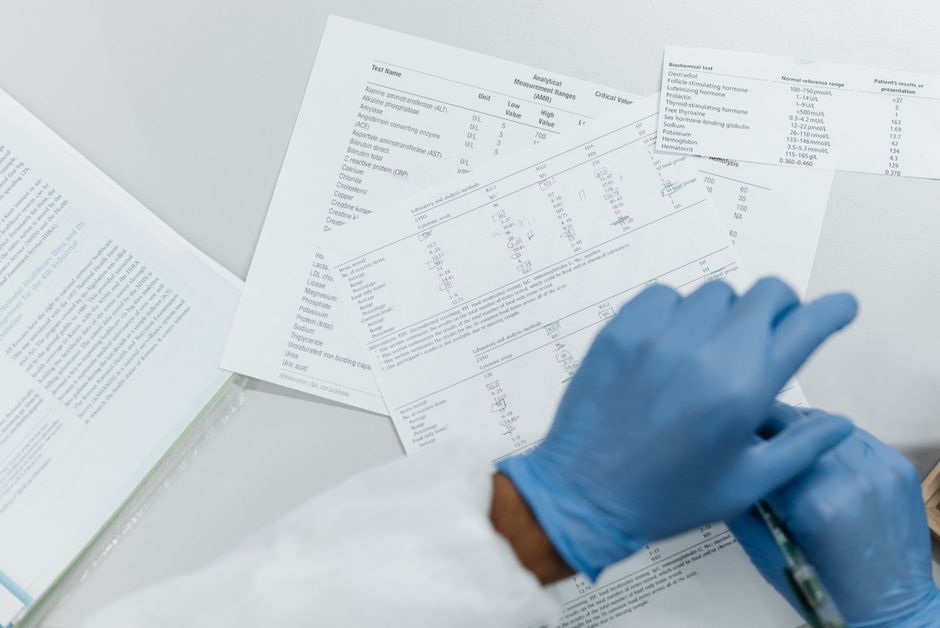
- Scan the QR code: If it’s missing or broken, do not buy the product. Verify the COA: Does it mention heavy metals and pesticides? (Crucial, since hemp is a bioaccumulator—it pulls toxins out of the soil). Check the ingredient list: Are the chamomile and passionflower doses listed individually, or are they hiding in a "proprietary blend"? Watch your spectrum: If you are subject to drug testing, skip the Full Spectrum and look for Broad Spectrum or Isolate. The "Morning-After" Test: If you feel groggy the next day, check the label again. Is there undisclosed melatonin? If so, toss them.
You’re buying these products because you want to feel better, not because you want to fund a marketing department’s creative writing exercise. Stick to the math, insist on the COAs, and prioritize transparency. Your wallet—and your sleep cycle—will thank you for it.