If you're using CBD products or hemp-derived supplements, you've probably seen labels boasting "0.3% delta-9 THC" or something similar. You might be wondering: does this mean I will pass a workplace drug screen? Navigating the nuances of delta-9 THC levels, potency units, and certification can be confusing. In this post, we break down what the 0.3% delta-9 THC threshold means, why Certificates of Analysis (COAs) are essential, and how to verify product potency to assess your risk of testing positive.
Understanding the Delta-9 THC Threshold
First, some background. The 2018 U.S. Farm Bill legalized hemp-derived products with a delta-9 THC concentration of no more than 0.3% on a dry weight basis. This threshold is meant to distinguish hemp from marijuana legally. However, this legal limit does not guarantee you will pass all drug tests.
Workplace drug screenings, especially urine tests, typically detect THC metabolites, not THC content per se. These metabolites can accumulate depending on several factors, including potency, serving size, your metabolism, and frequency of use.
What Does 0.3% Delta-9 THC Actually Represent?
The 0.3% refers to the percentage of delta-9 THC in the hemp product’s dry weight, not the absolute milligrams you ingest per serving.
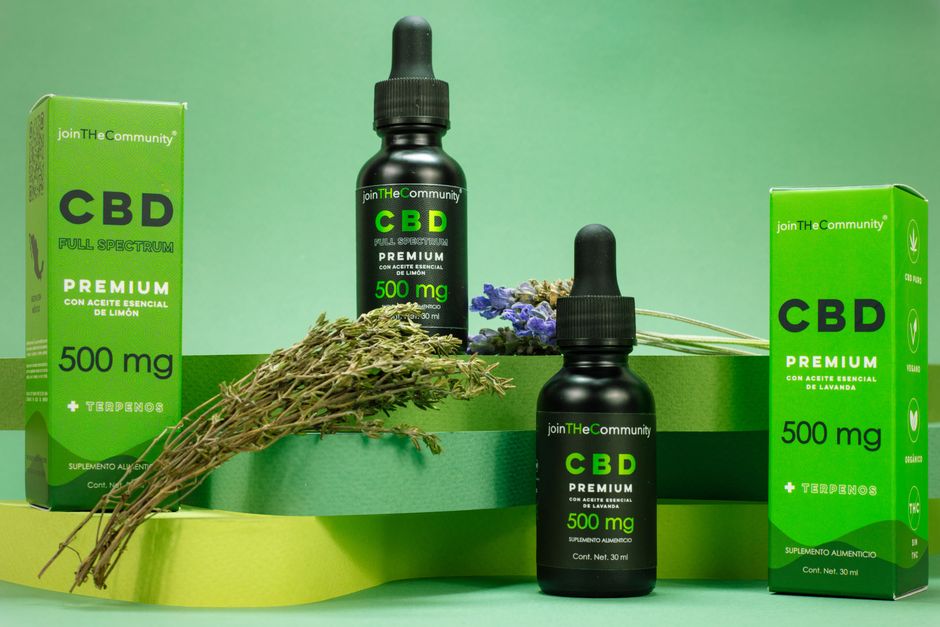
- Example: In a 1000 mg hemp extract, 0.3% THC means 3 mg of delta-9 THC in total. This total amount is then portioned into servings—for example, 1 ml in tinctures or 1 gummy in edibles. TPutting this into practical terms is crucial to understand how much delta-9 THC you are consuming per dose, as this directly affects drug test results.
Why Certificates of Analysis (COAs) Matter
To accurately assess THC levels, you want to look for a reliable Certificate of Analysis or COA. This is a lab report provided by reputable third-party testers verifying cannabinoid potency and purity.

COA Basics and What to Look For
A quality COA will include:
- Batch Number: Should match the batch number printed on the product carton. Test Date: Confirms when the sample was tested. Delta-9 THC Concentration: Listed as mg per serving and as a percentage. Acid vs Neutral Cannabinoids: Shows THCA (acid form) and THC (neutral) separately. Full Cannabinoid Profile: Other cannabinoids like CBD, CBG, and minor components. Microbial and Pesticide Screening: Especially important for safety.
Some COAs also feature QR codes for batch lookup, enabling consumers to quickly confirm authenticity and safety by scanning the code with a smartphone.
Common Red Flags on COAs
- Notes that vaguely say "CBD oil" with no quantified delta-9 THC level. COAs missing a batch number or with mismatched numbering from the product. Pass/fail panels for potency with no actual cannabinoid numbers listed. Testing labs not recognized or accredited by standards such as NSF International.
Batch and Date Matching: Your Safety Checklist
Always confirm that the COA corresponds exactly to the product’s batch number printed on the carton. Many reputable companies—including Joy Organics and those USDA Organic certified—print the batch number right on their packaging.
Verifying batch numbers and test dates ensures the COA covers the exact product you have. This is especially important for potency and contaminant data.
Using QR Codes for Convenient Verification
Manufacturers are increasingly including QR codes on product boxes that link directly to the batch test results hosted online. Scanning the QR code is a quick way to:
View the complete Certificate of Analysis. Check cannabinoid breakdown by milligrams per serving. Verify retailer and manufacturer legitimacy.In many cases, failure to find a QR code or accessible batch info should raise caution.
Potency Units and Serving Size: How Much THC Are You Actually Taking?
Another essential variable is how much THC you consume in each serving, which impacts drug test results more than a simple percentage number.
Potency Measure What It Means Why It Matters Milligrams (mg) per Serving Absolute amount of THC you ingest per dose. Direct impact on metabolite accumulation and drug test risk. Percentage Delta-9 THC Pounds THC in product's dry weight. Less useful without knowing serving size. Acid (THCA) vs Neutral THC THCA is non-psychoactive but converts to THC when heated. Total THC calculations must account for this to avoid underestimation.Why Acid versus Neutral Cannabinoids Matter
Many hemp tests differentiate between THCA (tetrahydrocannabinolic acid) and delta-9 THC. THCA itself is non-psychoactive but converts into delta-9 THC during heating or combustion—a process called decarboxylation.
This means total THC content is calculated by adding delta-9 THC plus 87.7% of the THCA content (due to molecular weight differences). For drug tests and potency calculations, both forms matter.
Examples: What This Means for Passing a Workplace Drug Screen
Suppose a Joy Organics tincture states 0.3% delta-9 THC and a serving size of 1 ml equals 10 mg of hemp extract. The COA indicates 0.03 mg delta-9 THC per serving (including acid forms). This low dose likely poses minimal risk for a positive urine drug test, but higher doses or frequent use increase detection risk.
- Disclaimer: Individual metabolism, body fat, and drug test sensitivities vary widely. Reputable brands like Joy Organics, especially those with USDA Organic certifications and verified via NSF standards, provide better product transparency.
Tips for Consumers Concerned About Drug Testing
- Always ask to see the actual bottle and packaging before discussing supplement or hemp product potency. Check for a batch number printed on the carton and match it to the COA batch number. Look for QR codes to easily scan and verify lab results on the spot. Review COAs carefully to confirm delta-9 THC mg per serving and total THC, including acid forms. Choose brands certified by trusted organizations such as USDA Organic and NSF International when possible. Avoid products with unclear or incomplete potency panels, or test results that only say “pass/fail.”
Conclusion
In short, 0.3% delta-9 THC by itself does not guarantee you will pass a workplace drug screen. It is the actual milligrams per serving, total THC content (accounting for acid and neutral forms), frequency of use, and your personal metabolism that influence detection risk.
Always do your due diligence by reviewing Certificates of Analysis, confirming batch numbers, and scanning QR codes when available. Trusted companies like Joy Organics who provide transparent and NSF-verified testing help ensure you have the data needed to make informed decisions around THC consumption and drug testing.
When in doubt, consult your healthcare provider or a clinical pharmacist nursekey.com with your product’s COA and batch information before use, especially if you face workplace drug screenings.