Encouraging regular breaks in busy veterinary clinics can feel like walking a tightrope — balancing staff wellbeing with the relentless demand to keep the practice running smoothly and profitably. Yet, this balance is not only achievable but essential for long-term success. Designing a break policy clinic that truly works requires rethinking schedules, workflow, and the culture around recovery and rest. In this post, we’ll explore strategies to embed meaningful breaks into your clinic’s day without sacrificing revenue, supported by practical tools like the Clinical Tree app for offline schedule access and Telegram channels for real-time updates.
Why Breaks Matter: Recovery as Performance
Traditional mindsets often see breaks as downtime or lost productivity — a mindset deeply ingrained in many veterinary clinics. But evidence from both human performance science and veterinary work patterns points to the opposite: breaks are an investment in sustained excellence.
- Clinician performance improves after rest: Mental fatigue impairs clinical judgment, leading to errors and slower decision-making. Physical and emotional recovery reduces burnout risk: Veterinary professionals often operate under emotional strain, making recovery periods critical. Rest supports cognitive functions: Complex clinical reasoning, especially in emergencies, requires adequate sleep and meaningful breaks.
By reframing breaks as a critical part of maintaining high performance — not a luxury — clinics can begin to shift their operational priorities.
Designing a Break Policy Clinic That Works
Creating a functional break policy requires reconciling clinical needs with human ones. Here are key components of successful scheduling and workflow improvements:
1. Schedule Design with Built-In Breaks
Scheduling breaks into shifts is often the most straightforward but frequently overlooked element:
- Stagger break times: To maintain clinic flow, staff breaks should be spaced out rather than simultaneous. Protect mandatory breaks: Embed legally required and recommended break times into the roster, not as optional add-ons. Avoid shifting breaks to after-hours: Breaks delayed beyond shifts undermine recovery and increase burnout risks.
Utilizing scheduling software integrated with offline capabilities, like the Clinical Tree app, ensures that everyone has permanent access to their break times — even when internet connectivity is spotty in clinics with thin walls or rural locations.

2. Optimized Workflow Improvements
Smart workflow staff retention veterinary practice can reduce pressure on staff and create natural pause points:
- Implement task batching: Group similar tasks and patient types to minimize constant multitasking stress. Use checklists and handover protocols: Systems like these reduce cognitive load and prevent last-minute crises that disrupt breaks. Expand use of communication channels: A Telegram channel for real-time updates helps keep everyone informed about shifting workloads or emergencies, so breaks can be deferred only minimally and fairly.
Boundary Setting and Burnout Prevention
In clinics, the culture around “just powering through” can be the biggest enemy of well-timed breaks and recovery. Encouraging boundary setting is crucial:
- Leadership modeling breaks: When managers and senior vets visibly take and respect breaks, it’s easier for junior team members to do so without guilt. Clear communication of break policies: Let staff know that breaks are not only allowed but expected — this reduces the stigma against stepping away. Empower staff to say no: Encourage individuals to voice when patients and tasks need handing over rather than pushing through fatigue.
By establishing these boundaries firmly in policy and practice, clinics address burnout prevention proactively rather than waiting for crisis points.
Sleep, Rest, and Clinical Judgment
Never underestimate the impact of quality sleep on clinical capabilities. Irregular shifts and after-hours duties can wreak havoc on circadian rhythms:
Promote consistent sleep hygiene: Encourage staff to maintain regular sleep schedules even on their days off. Educate on sleep’s impact: Share evidence illustrating that poor sleep leads to reduced attention, memory lapses, and impaired decision-making. Support shift rotations that minimize disruption: Rotate night and weekend shifts thoughtfully to allow recovery periods.Supporting a workforce physically and mentally able to trust their clinical judgment benefits patients, clients, and the clinic’s reputation.
Encouraging Identity Outside the Profession
Veterinary professionals often tie their identity tightly to their work, leading to difficulty disconnecting and fully resting — even when off-shift. Cultivating identity outside the profession is a crucial, if understated, factor in encouraging breaks
- Promote hobbies and interests: Support staff participation in activities unrelated to veterinary care during their time off. Celebrate life outside work: Share stories or host events highlighting team members’ non-work identities. Discourage after-hours emails: Develop and enforce policies limiting work communication outside shifts, reinforcing work-life boundaries.
This broader view of self helps staff see breaks as vital for their whole wellbeing, not unpleasant interruptions to work.
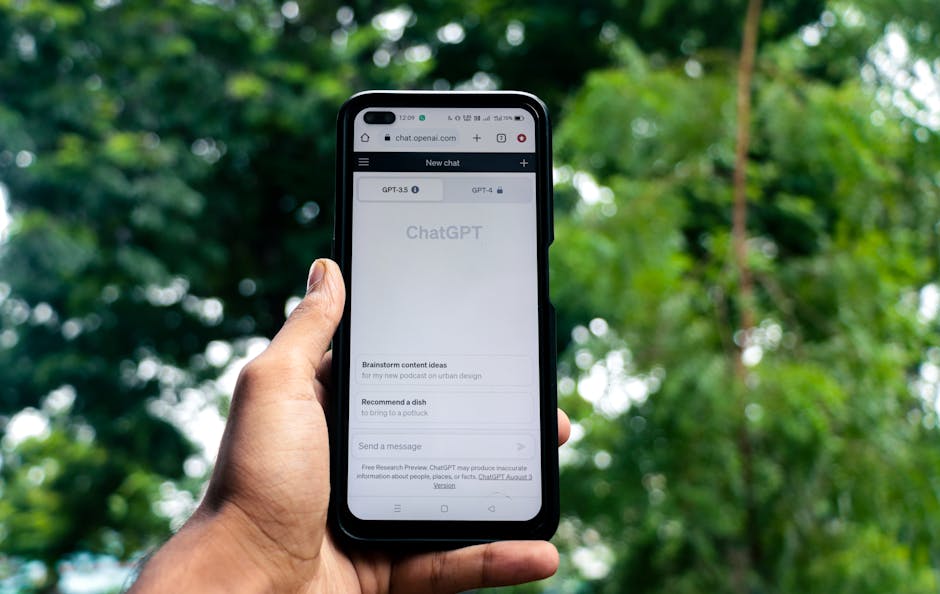
Leveraging Technology to Support Break Policies
Modern clinics can use accessible tools to embed these practices in daily life:
Tool Purpose Benefit Clinical Tree app Offline schedule and break access Ensures team members can consult their roster and break times anytime, anywhere—even without internet Telegram channel Real-time communication and updates Keeps the team informed about workflow changes or emergencies that may affect breaks, facilitating transparent and equitable adjustmentsIntegrating these tools helps overcome practical barriers to regular breaks and promotes a culture of connectivity without overreach.
Summary: Taking Practical Steps Today
Implementing a successful break policy clinic blueprint means:
Reframe breaks as essential to peak clinical performance, not optional downtime. Design schedules that embed breaks, staggered to keep the clinic running smoothly. Streamline workflows to prevent bottlenecks and last-minute disruptions. Model and reinforce boundary-setting to prevent burnout culture. Educate staff on the critical link between sleep, rest, and superior clinical judgment. Celebrate life beyond veterinary work to encourage true mental breaks. Use tech like Clinical Tree and Telegram to support consistency and communication around breaks.By focusing on these principles and leveraging practical tools, clinics can encourage regular breaks that safeguard staff wellbeing without compromising revenue. After all, well-rested, engaged teams deliver better care and fuel a sustainable, thriving practice.
Remember: sometimes the best productivity gains come from simply knowing what you can stop doing — and that includes skipping those relentless, counterproductive skips on breaks.
```