You wouldn’t queue for a ranked match with a broken headset or a mouse with a stuttering sensor. You’d fix your hardware before you start the grind. Yet, thousands of gamers log on every night with a sleep deficit that makes their reaction times look like they’re playing on a 500ms ping.
If you want to perform, you have to treat your recovery like a piece of high-end gear. If your biological hardware is failing, your software—your strategy and reflexes—doesn’t stand a chance. It’s time to invest in rest. Here is how you turn your sleep into the ultimate performance habit.
The Science of the After-Match Hangover
You just finished a sweaty lobby. Your heart is racing, your hands are shaking, and you’re riding a high. You think you’re ready to sleep because you’re "tired," but your body is still in a high-alert state. This is a physiological conflict. When you play competitive titles, you’re triggering a fight-or-flight response. Your body dumps cortisol and adrenaline into your system to keep you sharp.
According to the NCBI (National Center for Biotechnology Information), the physiological stress induced by high-stakes gaming can keep your autonomic nervous system in overdrive long after you’ve clicked "Exit to Desktop." Trying to sleep immediately after a high-pressure match is like trying to shut down a server that’s currently running a massive update. It’s not going to happen instantly.
The Blue Light Trap: A Simple Calibration
If you’re staring at a high-refresh-rate monitor at 1 AM with zero protection, you are manually suppressing your own melatonin production. It’s a hardware setting error that most gamers ignore. Blue light exposure tricks your brain into thinking it’s high noon, not midnight.
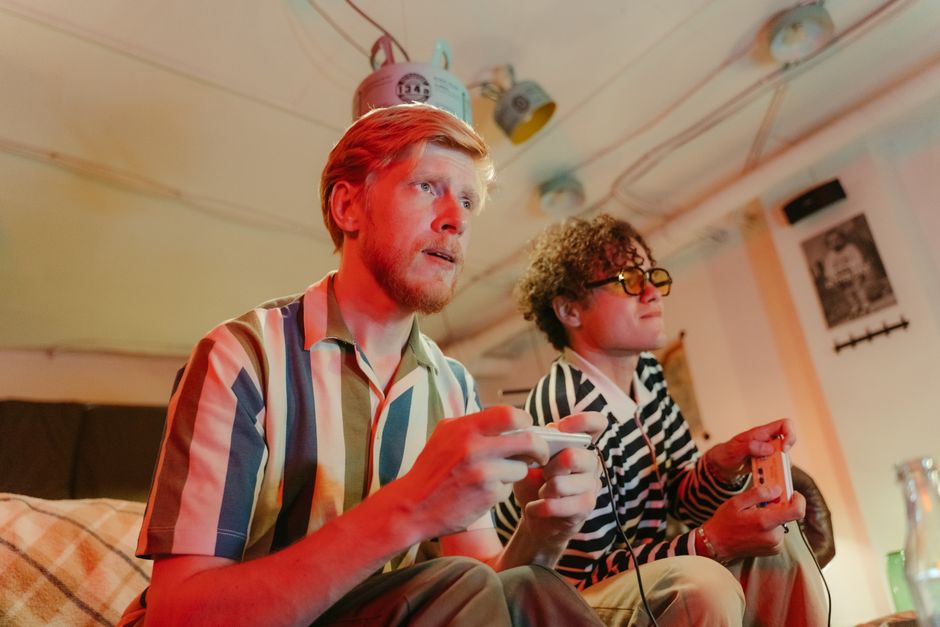
Here is the secret weapon that most people ignore: Night mode on your screens. Do not overlook this. Every OS has it—Windows Night Light, macOS Night Shift, or even third-party apps like f.lux. Turn it on at sunset. Yes, the colors will look "warm" and a bit weird for ten minutes. Your eyes will adjust. By removing that blue spike, you allow your brain to start the internal signaling required to induce sleep.
Think of it as a firmware update for your biological clock. You wouldn’t run your PC on outdated drivers; stop sleep quality vs sleep duration running your brain on outdated lighting settings.
Routine as Gear: Building Your Loadout
Consistency is the only thing that actually moves the needle. A scattered sleep schedule ruins your circadian rhythm. If you sleep at 2 AM on weekdays and 5 AM on weekends, you’re essentially dealing with permanent, self-imposed jet lag.
You need a "pre-game" and a "post-game" routine for your sleep. Treat this like your warm-up routine before a tournament.

The "One More Match" Cutoff Alarm
I know the struggle. You’re on a losing streak, and you need to end on a win. Or you’re winning, and you’re riding the momentum. The "one more match" syndrome is the single biggest enemy of high-level gaming performance.
My advice? Set a hard cutoff alarm. When that alarm goes off, the game ends. If you’re in a match, you https://highstylife.com/can-cbd-help-me-stop-waking-up-feeling-slow-a-gamers-guide-to-real-recovery/ finish it, but you don’t start another. No exceptions. This isn't just about sleep; it's about discipline. If you can’t control your playtime, you can’t control your performance.
The Truth About Recovery Aids
I get asked about supplements all the time. Let’s be clear: I am sick of the "miracle-cure" marketing. Most of the stuff you see on social media is overpriced snake oil designed to target gamers who don't want to fix their actual habits. There is no pill that replaces seven hours of sleep.
However, if you have your routine locked down and you’re still finding it hard to wind down, some people turn to CBD. I’ve looked at the research, including findings discussed in The Permanente Journal regarding the use of cannabinoids for sleep and anxiety. It’s not a magic button, but when sourced from reputable places like Joy Organics, it can serve as a component to help settle the nervous system after a long session.
Don't expect it to "fix" your sleep if you’re still chugging energy drinks at midnight and playing high-stress games until your eyes bleed. If you use it, do it with a specific timing window—usually 30 to 60 minutes before you want to be out. Vague dosing instructions are a red flag. If a product doesn't give you a clear protocol, don't buy it.
Performance Habits: A Breakdown
If you want to view your sleep as a piece of gear, you need to track it like you track your stats. Use a table to keep yourself honest. Here is how I structure my "performance habits."
Tool/Action Purpose Timing Night Mode Melatonin preservation Sunset or 3 hours before bed Hard Cutoff Alarm Prevents "One More Match" Fixed time every night Cool Room Temp Core body temp regulation Set thermostat before gaming Dark Environment Signal for shut-down Blackout curtains are mandatoryWhy Gaming Makes Sleep Hard
Let’s talk about the environment. Most gaming setups are the opposite of a sleep-friendly space. They are bright, noisy, and cluttered with visual stimulation. You are training your brain to associate your desk with high-octane stimulation. When you try to sleep in the same room, your brain is still "in game mode."
If possible, create a physical barrier or at least a mental one. Use a different light source once you hit your cutoff alarm. Shift from your high-intensity monitors to a warm lamp. Change the audio profile. If you listen to heavy metal or EDM while gaming, switch to low-frequency noise or something ambient. You have to signal to your hardware that the match is over and the system is entering low-power mode.
The Long-Term ROI of Rest
I spent years as a night-shift IT tech. I lived on caffeine and adrenaline. I thought I was fine until I started tracking my reaction times. After a week of decent sleep, my flick-shots were tighter, my decision-making was faster, and I wasn't tilting nearly as hard when things went south in a match.
When you invest in rest, you aren't just sleeping; you're optimizing your biological processing power. A well-rested gamer is a more dangerous opponent. Your brain is the most important component in your entire setup. Stop overclocking it without a cooling system.
Final Thoughts: The "Routine as Gear" Mindset
Stop looking for a quick fix or a magic supplement. You don't get better at a game by buying a new skin; you get better by practicing the fundamentals. Sleep is the ultimate fundamental.
- Use your Night Mode. It’s there for a reason. Set your cutoff alarm. It’s non-negotiable. Understand that your body needs a cool-down period after a match, just like a high-performance engine needs to idle before you cut the ignition.
Stop playing like an amateur with your health. Treat your sleep like you treat your rank: build it, protect it, and refine it. Your K/D will thank you.