I spent nine years working in NHS administration. I spent most of those years staring at fragmented filing systems, chasing paper records across trusts, and watching patients wait months for appointments. When the UK government rescheduled cannabis-based products for medicinal use (CBPMs) in 2018, the healthcare system expected a sea change. Instead, we got a bottleneck.
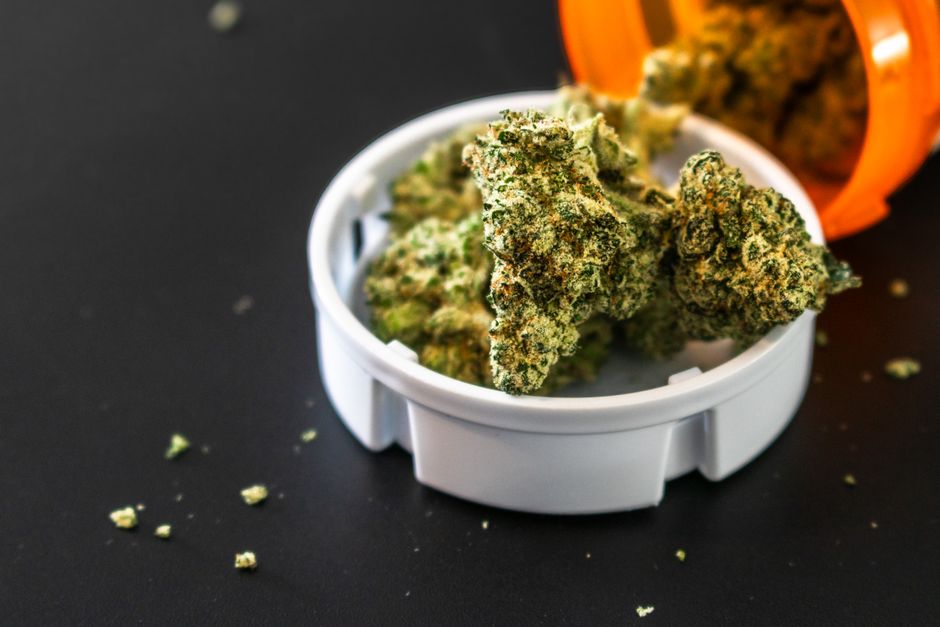
The transition to private cannabis clinics isn’t just about the medicine; it is about the administrative infrastructure. Private clinics have had to innovate their onboarding process to survive where the NHS has struggled. This post explores how digital tools are bridging the gap between a patient in need and a legal prescription.
The 2018 Shift and the NHS Access Gap
In November 2018, the UK government amended the Misuse of Drugs Regulations, allowing specialist doctors to prescribe cannabis-based medicines. The intent was clear: patients with specific conditions, such as intractable epilepsy or chemotherapy-induced nausea, should have access to these treatments. However, the reality was—and remains—a system of extreme caution.
The NHS has been hesitant. Clinical guidance from the National Institute for Health and Care Excellence (NICE) is narrow, leaving many clinicians fearful of the perceived risks. As a result, the "access gap" widened. Patients who technically qualified for treatment found that their local NHS consultants were unwilling or unable to prescribe. This created a vacuum that private clinics stepped in to fill.
Why Private Clinics Need Better Onboarding
Private clinics operate in a highly regulated space. They must satisfy the Care Quality Commission (CQC) while ensuring patient safety in a medium that is still widely misunderstood. Unlike a standard GP clinic, where you might have years of medical history already digitized in the NHS system, cannabis clinics often start from scratch with a new patient.

This is where online patient onboarding becomes critical. A clinic cannot simply take a phone call and hand over a prescription. They need a robust, auditable trail of a patient’s health history, previous treatments, and current contraindications.
The Essential Checklist: What a Patient Needs Before the Appointment
During my time in admin, I learned that a patient who arrives unprepared is a patient who doesn't get treated that day. For a private cannabis clinic consultation, the clinic expects the patient to provide specific documentation to avoid delays.
- Summary Care Record (SCR): An export from your GP listing your current medication and allergies. Diagnosis Evidence: Letters from consultants or GPs confirming your condition (e.g., chronic pain, PTSD, anxiety). Treatment History: A record of at least two previous first-line treatments you have tried that failed or caused intolerable side effects. Photographic ID: Essential for remote identity checks to prevent fraud and satisfy compliance requirements. Current Medication List: To ensure the doctor checks for drug-to-drug interactions.
The Anatomy of a Digital-First Patient Journey
Digital-first is the standard for modern private clinics. It reduces human error and moves the patient through the funnel faster. Here is how the process telehealth cannabis consultation works.
1. Digital Intake Forms
Modern clinics use sophisticated digital intake forms that act as a triage tool. Instead of asking a receptionist to type up your life story, you input your data directly. These forms are dynamic—if you check a box saying you have a heart condition, the form asks follow-up questions relevant to cannabis contraindications.
2. Remote Identity Checks
Because the doctor and patient never meet in person, identity verification is the cornerstone of the clinic’s license. Technology now allows for biometric scanning via smartphone. The patient takes a selfie and a photo of their passport; software confirms the match. This replaces the old, clunky method of mailing certified copies of documents.
3. Telehealth and Video Consultations
Telehealth platforms are not just Zoom calls. They are integrated environments. The doctor conducts a video consultation while the patient’s digital intake form is open on one side of their screen, and the electronic prescribing platform is open on the other. This seamless integration ensures the clinician spends time talking to the patient, not hunting for paperwork.
Defining the Language
When you start your patient journey, you will encounter terms that aren't used in standard pharmacy settings. It is vital to understand the science behind the prescription:
- Cannabinoids: These are the chemical compounds found in the cannabis plant, such as THC and CBD, that interact with your body’s endocannabinoid system to help regulate functions like pain, sleep, and mood. Terpenes: These are the aromatic compounds that give cannabis its distinct scent and interact with cannabinoids to influence the overall therapeutic effect, often referred to as the "entourage effect."
The Technology Landscape: Comparison
To understand why digital onboarding is so effective, we can look at the differences between the traditional NHS referral pathway and the private digital-first pathway.
Feature NHS Traditional Pathway Private Digital-First Pathway Record Access Manual transfer between trusts Real-time digital patient intake forms Identity Verification In-person (receptionist check) Remote identity checks (biometric) Consultation Type Usually in-person Telehealth / Video consultation Wait Times Weeks to months Usually 48–72 hoursAddressing the Pitfalls: What to Watch Out For
I have a low tolerance for fluff, and I have an even lower tolerance for clinics that overpromise. You will see websites that use vague phrases like "miracle cure" or "guaranteed relief." Avoid these clinics.
Medical cannabis is a legitimate, evidence-based treatment for specific conditions, but it is not a cure-all. If a clinic does not insist on a thorough onboarding process—if they don't ask for your medical history or your GP records—they are likely operating unethically. A clinic that is fast-tracking you without proper digital intake is a clinic that is prioritizing profit over your clinical safety.
Why Accountability Matters
When you go through an online onboarding process, you are creating a digital trail. This is your protection. If a clinic uses a secure, HIPAA-compliant or GDPR-compliant portal, every change to your file, every note a doctor makes, and every prescription change is logged.
Patients should always look for is Releaf medical cannabis legitimate clinics that clearly display their CQC registration status. When you provide your data, you are handing it to a healthcare provider who is responsible for your long-term health. If the onboarding process feels chaotic, the clinical care is likely to be just as disorganized.
Conclusion
The role of online patient onboarding in private cannabis clinics is to replace the friction of the old system with the efficiency of modern health-tech. It ensures that clinicians have the information they need to prescribe safely and that patients can access treatments that the NHS currently cannot provide. As long as you choose a clinic that values rigorous digital identity checks and thorough clinical intake, you are setting yourself up for a much smoother medical journey.
Remember: If they don't ask for your medical history, don't trust the outcome. Use the tools available to you to ensure your care is documented, legal, and safe.