In my nine years navigating the administrative labyrinth of the National Health Service (NHS), I have seen many healthcare trends arrive with fanfare only to buckle under the weight of bureaucracy. However, the emergence of digital-first medical cannabis clinics is a different beast entirely. It represents a pivot toward specialized, tech-enabled care for patients who have found little success with conventional treatments.
If you are exploring this route, it is vital to cut through Click for more info the noise. This is not about “miracle relief”—a term I despise—nor is it about recreational use. This is about pharmaceutical-grade, regulated care. Let’s look at how these digital-first clinics function and what the process actually looks like.
The 2018 Legislative Shift: What Changed?
To understand why these clinics exist, we must look at November 2018. That was when the UK government rescheduled Cannabis-Based Products for Medicinal use (CBPMs). Before this, cannabis was classified as a Schedule 1 drug, meaning it was deemed to have no medicinal value. The 2018 amendment moved it to Schedule 2, allowing specialist doctors to prescribe it.
However, many patients assume this meant wide access. It did not. The legislation was designed to be restrictive. It requires that a consultant specialist (not a General Practitioner) prescribe these treatments, and only after other licensed medications have failed to manage the condition. This created a massive, unintended access gap that private clinics were quick to fill.

The NHS vs. The Private Access Gap
The NHS has been incredibly cautious. Because the clinical evidence base for many long-term conditions is still evolving, the NHS limits prescriptions primarily to three areas: severe treatment-resistant epilepsy, chemotherapy-induced nausea, and spasticity related to multiple sclerosis.
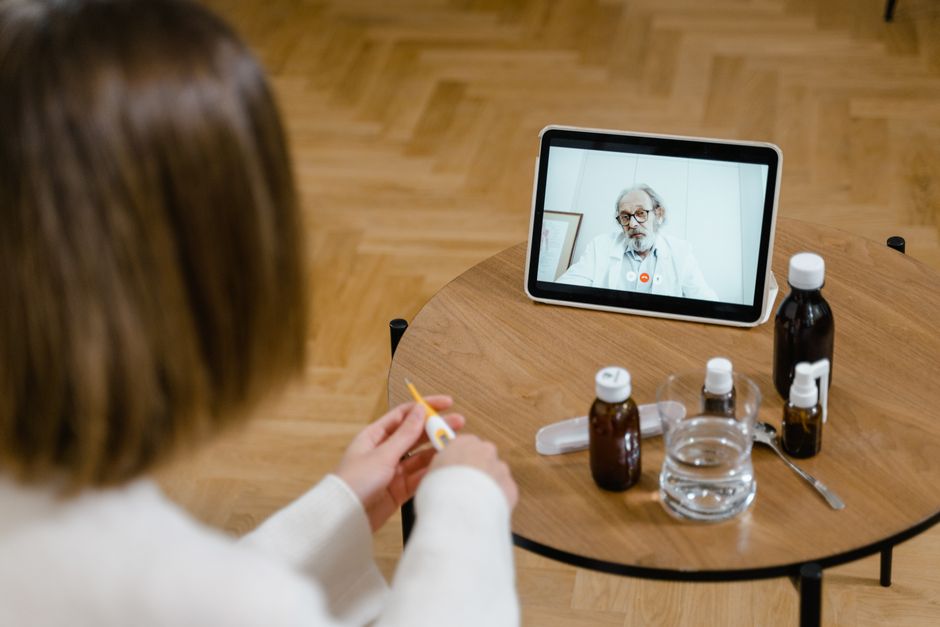
For everyone else—those living with chronic pain, anxiety, or PTSD—the NHS pathway is effectively closed. This is where the private sector stepped in. Digital-first clinics use a telemedicine platform to connect patients with specialists who have the regulatory standing to prescribe these medications privately. They have moved the entire clinical workflow into the digital sphere to manage costs and scale access.
What is a Digital-First Clinic?
A digital-first medical cannabis clinic operates primarily through technology rather than brick-and-mortar waiting rooms. The goal is to lower the barrier to entry for patients who may have mobility issues, chronic fatigue, or simply live far from a specialist centre.
Key pillars of this model include:
- The Patient Portal: A secure hub where you upload your medical summaries and track your treatment history. Video Consultations: Replacing face-to-face meetings with encrypted, high-quality clinical assessments. Digital Prescription System: A paperless workflow where the script is sent directly to a specialist pharmacy, bypassing the traditional pharmacy counter.
Here is what usually happens next: After you book your initial consultation via the website, you are asked to provide your Summary Care Record (a digital copy of your NHS records). The clinic's administrative team reviews this to ensure you meet the criteria for a specialist consultation. If you do not have a documented history of failing two or more conventional treatments, you will likely be turned away before you even reach a doctor. This is a good thing; it means the clinic is screening for eligibility rather than chasing revenue.
Comparison: NHS vs. Private Digital Clinic Pathways
Feature NHS Pathway Private Digital Clinic Access Scope Highly restricted (3 core areas) Broader (chronic conditions) Referral Required Mandatory via GP Self-referral allowed Prescription Method Standard pharmacy/hospital Digital prescription system Cost Free at point of service Consultation + medication feesThe Digital Workflow: From Portal to Pharmacy
When you sign up for a digital-first clinic, the technology is intended to keep your care documented and transparent. You start by registering on their patient portal. This is not just a sign-up form; it is a clinical tool. The portal tracks your reported symptoms, your current medications, and any side effects you might experience.
During your video consultation, you are speaking to a GMC (General Medical Council) registered consultant. They are not there to sell you a product; they are there to perform a clinical assessment. If they decide a CBPM is appropriate, they use a digital prescription system. The prescription is signed electronically and sent to a specialist pharmacy, which then ships the medication to your door via tracked, temperature-controlled courier.
Things Patients Wish They Knew Before the First Video Consult
After interviewing dozens of patients, I’ve started keeping a running list of the "hidden" aspects of the process. If you’re preparing for your first consult, read this closely:
The "Failure" Proof: You must prove you have tried other treatments. Have your pharmacy records ready to show which medications you tried, for how long, and why they didn't work. Privacy is Paramount: Use a stable internet connection and find a private space. These clinics take clinical governance seriously; if you are in a public space, the doctor may end the call to protect your data. The Cost is Ongoing: The consultation fee is just the start. You will need follow-up appointments every few months to maintain your prescription. Factor this into your budget. Pharmacy Logistics: Your medication does not arrive in a plain white box; it comes with strict packaging requirements. Ensure someone is home to sign for the delivery. It Isn't "Herbal Medicine": These are controlled drugs. If you are asked to provide a urine sample or share blood test results, do not be offended. It is a standard safety protocol.Reality Check: Managing Expectations
If a clinic promises that their product will provide “miracle relief” or “instant results,” close the browser tab. Responsible clinics speak in terms of “symptom management” and “improved quality of life.”
Medical cannabis is not a panacea. For many patients, https://highstylife.com/how-long-does-it-take-to-go-from-online-assessment-to-prescription/ it is a tool to dampen symptoms just enough so they can get back to daily tasks like working or socializing. It is rarely a complete replacement for a healthy lifestyle, physical therapy, or other necessary medical interventions. A reputable telemedicine platform will emphasize a "multi-modal" approach—meaning they want you to continue seeing your GP for other aspects of your health, not just rely on the cannabis clinic.
Conclusion
Digital-first clinics have provided a vital lifeline for patients left behind by the NHS's cautious approach to CBD (Cannabidiol) and THC (Tetrahydrocannabinol) based treatments. By leveraging secure patient portals and digital prescription systems, these clinics have made specialized care more accessible than ever before.
However, the burden of advocacy remains on the patient. Keep your records organized, understand the costs involved, and always verify that the clinic you are using is registered with the CQC (Care Quality Commission). It is a process that requires patience and a high degree of self-advocacy, but for many, it is the first time they have been heard in years.
Here is what usually happens next: Once you have had your consultation, you will be invited back to the portal to track your progress. Keep an honest diary of your symptoms. If it doesn't work for you, be the first to tell your consultant. Your data is the only way to refine the treatment, and in the world of medical cannabis, your feedback is as important as the clinical notes.