If you’ve been shopping for cannabidiol (CBD) products, you’ve probably encountered terms like CBD isolate and gummies packed with CBD. But what exactly do these terms mean, and how do they differ? This post will break down the basics of CBD, highlight the differences between isolate and gummy formulations, cover important legal and regulatory context, and explain what the science really says about dosing and effects.
CBD Basics: What Is CBD and How Does It Differ From THC?
CBD, short for cannabidiol, is one of the many compounds found in the cannabis plant. Unlike THC (tetrahydrocannabinol), CBD is non-intoxicating, meaning it won’t get you “high.” This makes it a popular choice for people looking for potential therapeutic benefits without mind-altering effects.
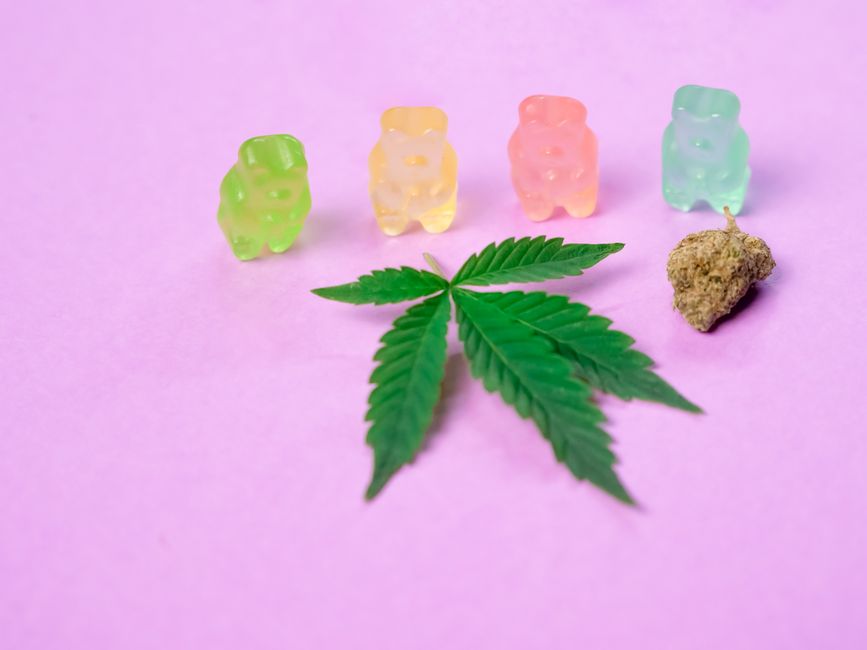
Here’s a quick breakdown:
- CBD Isolate Meaning: This refers to pure cannabidiol that has been extracted and isolated from all other cannabinoids, terpenes, and plant compounds. CBD isolate is usually a white crystalline powder that's at least 99% pure CBD. Full-Spectrum CBD: Contains CBD along with a variety of other cannabinoids and terpenes, including trace amounts of THC (below the legal limit of 0.3%). Broad-Spectrum CBD: Similar to full-spectrum but with all THC removed.
The THC distinction matters because of legal and drug testing concerns. CBD isolate products contain https://bizzmarkblog.com/what-should-i-email-my-esports-org-about-cbd/ no THC, so they’re less likely to cause positive drug tests. But more on that later.
Hemp Legality and the 0.3% THC Threshold
Since the 2018 Farm Bill in the United States, hemp — cannabis with less than 0.3% THC — has been federally legal to grow, process, and sell. This THC limit is crucial. Any cannabis product with more than 0.3% THC is still federally classified as marijuana, restricted under federal law.
This legal definition shapes the CBD market extensively:
- CBD isolate naturally contains zero THC. Full-spectrum and broad-spectrum CBD products derived from hemp must contain under 0.3% THC. Consumers looking to avoid THC for legal or sports reasons often choose isolate.
A helpful example: Joy Organics, a well-known hemp-derived CBD company, offers CBD isolate-based products as well as broad-spectrum options that meet the 0.3% THC legal threshold. Their products are third-party tested and provide Certificates of Analysis (CoAs) confirming compliance.
CBD Gummies: What Are the Typical Ingredients and Dose Per Serving?
One of the most popular ways to consume CBD is through gummies. They’re convenient, discreet, and tasty. But they raise important questions about what else you’re putting into your body and how much CBD you’re actually getting per serving.

Gummy Ingredients To Watch For
Ingredient Purpose Notes CBD Oil or Isolate Active cannabinoid Quantity and quality vary by brand Gelatin or Pectin Gummy base (gelatin is animal-derived, pectin is plant-based) Vegetarian/vegan considerations Sugar or Sweeteners Flavor and mouthfeel Added sugars may be a concern Flavorings and Colorings Improve taste and appearance Artificial vs natural variesMany brands market their gummies as “natural” or “organic,” but it’s always good practice to check the full ingredient list and look for third-party lab results for contaminants like heavy metals, solvents, and pesticides.
Typical Dose Per Serving vs Research Studies
CBD gummies usually contain anywhere from 5 mg to 25 mg of CBD per piece. For example, Joy Organics offers gummies with 10-15 mg CBD each, which is common for products targeting mild anxiety or general well-being.
However, the effective dose often depends on what you’re aiming to treat:
- Anxiety studies have used doses ranging from 25 mg to 300 mg, typically higher than what gummies offer. Sleep-focused trials often use 40-160 mg doses. For performance or inflammation, studies vary widely and sometimes examine doses even higher.
This mismatch means many users are likely taking lower-than-studied doses when consuming standard gummies. While low doses can still be effective for some individuals, especially beginners, it’s important to adjust expectations. Start low and titrate slowly while monitoring effects.
Evidence Strength: Anxiety, Sleep, and Performance
The research on CBD is growing, but it’s uneven across different health claims. Here’s a quick scientific snapshot:
Anxiety
Of all the claims, anxiety is the area with the most promising evidence. Some randomized controlled trials (RCTs) show CBD can reduce anxiety symptoms in social anxiety disorder, generalized anxiety disorder, and PTSD at doses from 300 mg to 600 mg daily. Notably, tests in humans are limited, often small-scale, and not always replicated.
Sleep
CBD’s effects on sleep are less clear. Some studies suggest it could help with sleep https://highstylife.com/cbd-vs-melatonin-for-shutting-down-after-gaming-which-helps-gamers-wind-down-better/ latency (falling asleep faster) or reducing nighttime disturbances at doses of around 40-160 mg. However, other trials have found no significant benefit versus placebo. The varying doses and methodologies limit conclusions.
Performance and Recovery
CBD is popular with athletes for purported anti-inflammatory and recovery benefits. But the scientific backing is sparse and mixed. The World Anti-Doping Agency (WADA) removed CBD from the prohibited substance list in 2018, which opened the door for competitive athletes to use CBD without risking doping violations. However, THC and other cannabinoids remain banned.
Because many studies use high-dose CBD isolate in lab-controlled environments, the real-world effects of low-dose gummies may be modest at best for performance enhancement.
Regulatory Oversight and Consumer Caution
The U.S. Food and Drug Administration (FDA) has not approved CBD as a dietary supplement or medication for most uses. The agency continues to warn companies about illegal marketing claims, particularly regarding treatments of diseases like cancer or psychiatric disorders. This lack of strict regulation means it’s vital for consumers to do their own research.
Here’s a quick checklist when choosing between CBD isolate and CBD gummies:
Check Third-Party Lab Reports: Confirm the batch-specific Certificate of Analysis for cannabinoid content, contaminants, and terpenes when possible. Verify THC Content: If you’re sensitive to or need to avoid THC due to drug testing, isolate or broad-spectrum gummies are safer bets. Review Dose Per Serving: Understand how much CBD is in each gummy and consider if that aligns with your goals and the evidence base. Assess Ingredients for Allergens or Additives: Sugar content, artificial colors, and other fillers can affect your overall health impact. Be Patient and Monitor Effects: CBD is not a quick fix, and effective doses vary widely by individual and condition.Summary: Which Should You Choose?
CBD isolate delivers pure cannabidiol without THC or other cannabinoids, making it a good choice for those wanting to avoid THC entirely or who want to control cannabinoid intake precisely. It’s often used by consumers mixing their own doses or in topical formulations.
CBD gummies offer convenience, consistent dosing (usually 5-25 mg CBD per gummy), and pleasant flavors. Many products on the market use broad-spectrum or isolate forms of CBD, balancing taste with regulatory compliance. However, keep in mind that the dose per serving in gummies is generally lower than what clinical studies suggest for treating serious anxiety or sleep disorders.
Brands like Joy Organics stand out by providing high-quality, lab-tested products that respect the 0.3% THC threshold and disclose ingredients transparently.
While CBD’s therapeutic potential is intriguing, the science is still emerging, and regulatory bodies like the FDA continue to review evidence and oversee advertising claims. Athletes watching their supplement regimen closely should note that the World Anti-Doping Agency (WADA) permits CBD but prohibits THC and other cannabinoids, making isolate products particularly attractive.
At the end of the day, understanding the distinction between CBD isolate and CBD gummies, plus the nuances of dosing and ingredients, empowers you to make safer, more effective choices tailored to your needs.